
Resolving Not to Make Resolutions in 2024

As a coach, many people come to me at the end of the calendar year and the beginning of the next one to discuss resolutions. I often find that these resolutions are too broad and too difficult to maintain. I personally don’t make resolutions myself. Rather, I make promises to myself that I intend to keep. I know that for some people that doesn’t seem much different, but mindset is key. A promise is something that’s harder to break than a resolution.

So, what’s an example of a resolution?

A lot of people resolve in January to eat 5-7 servings of fruits and vegetables daily. Another common resolution is to work out six days a week for up to an hour at a time. When clients come to me with these types of resolutions, I often ask them what their current situation is. Questions include -how many servings of fruits or vegetables do you eat now, or how often and how long do you work out for?

The answers are usually pretty astounding. Many of those clients don’t eat any fruit or vegetables and are pretty sedentary. Going from nothing to something significant virtually overnight is not only daunting and overwhelming but next to impossible.

Behavior change happens incrementally and with consistency. It also happens over time. It’s not an immediate occurrence. People are creatures of habit and when they are working to change the habits they currently have, it takes time to build new neural pathways in the brain that lead one to engage in the new behavior or habit. The good news is that the brain is neuroplastic and it’s absolutely possible to change our habits. We just need to be patient and put in the work.

Some scientific studies seem to suggest that it takes about 21 days to make a habit. That’s a bit too simplistic. It depends on the habit you’re changing and your consistency with it as well as your overall desire to change. Some people know they should change, but deep down, they don’t really want to. That’s okay. As a coach, I make it my job to meet people where they’re at even if they don’t always know exactly where that is. Coaching is a collaborative effort, and we work together to figure out what approach is best for the client. Different clients often require different approaches.

So, for the folks who want to eat 5-7 fruits of vegetables a day, I suggest that they add in one extra serving of fruits or vegetables, whichever they prefer, for at least five days a week to start. I suggest they do this for 4-6 weeks and see how it goes. Once they realize that it’s doable and relatively easy, they come back to me and they’re reading to up their intake naturally. They find they like eating better and feel better when they do so. They see the benefits of it even if the scale hasn’t shifted much.

As for those would-be exercise buffs, I ask them to try two to three twenty to thirty sessions of cardio each week. It can be walking (indoors on a treadmill or outdoors depending on the weather), riding a stationary bike, doing the elliptical, dancing or a myriad of other activities. They often ask me if that’s enough. I tell them it’s a good start and they can slowly build up to the ultimate goal of 6 days a week for an hour at a time. I also encourage them at some point to put in strength training activities, but I take it one step at a time so as not to overwhelm them.

How do I know that this works? I’ve done it myself. When I began exercising in 2018 – after an extended period of being extremely sedentary – I started with five minutes on the workout bike twice a week. It was difficult, but I kept at it. Now, I do at least 40 minutes on the bike daily and add in rowing, yoga, pickleball or isometric exercises multiple times a week. I often work out for longer than an hour in total and I’m perfectly content to do so. I love exercising so much that I can’t go for a day without it. I never thought that would be me. It never would’ve been me had I set the stakes too high. At the time, I was so physically unfit that if I tried working out too much, I’d either have injured myself or overworked my body and it would’ve been so unpleasant I wouldn’t have wanted to do it again.

In 2024, let’s work on achieving goals together. Contact me at dcgoodson@gmail.com to set up a free 60-minute chemistry session to see if we’re a good fit. I’d love the opportunity to work with you!
Why Diets Don’t Work

At any given time, millions of people are on a diet, especially in North America. The weight loss industry is a multi-billion dollar industry. They are invested in having you believe that diets work. However, they do not. Research shows that over 90% of people who go on a diet and successfully lose weight will gain it back within three years (or less). Many more of those people will gain additional weight to what they lost so they will wind up fatter, not fitter, than before they dieted.

That is not to say that you should relegate yourself to a life of being overweight. Far from it. Obesity is a risk factor for a variety of diseases like cardiovascular disease, diabetes and even some cancers. There is another way to release weight. It is by changing your habits. Healthy habits like eating fresh, whole foods and drinking at least 64 ounces of water a day will help you get to your set weight, which is your body’s natural, healthy weight, not the weight that a BMI chart or a diet guru promises you.

Those same diet gurus will tell you that the secret to weight loss is simple – it’s calories in, calories out. You should have a calorie deficit every day which means that you consume less calories than you burn. This is, they maintain, what leads to lasting and sustainable weight loss.

That is too simplistic. Diets are a one-size-fits-all solution to a problem that is not getting better. In fact, it’s getting worse. We are heavier than ever before with estimates showing an increase in obese individuals, not a decrease.

So, why don’t restrictive diets work? There are two main reasons. First, when you restrict foods or food groups, this leads you to a scarcity mindset that causes you to crave the ‘forbidden food’. As a result, when you give in and have it, you will eat more of it.  Yes, deprivation leads to binge behavior which can make you heavier, not lighter. You’ll also feel shame and guilt along the way.

Second, when you restrict calories, the body goes into survival (or starvation) mode and subsists on fewer calories. As a result, you may still eat less and weigh more. You’ll definitely be carrying around more fat and less muscle, which is the opposite of what you need for optimal metabolic functionality.

What can you do instead of dieting? For one thing, you can practice healthy eating and exercise habits. Eat fresh, whole foods whenever possible and reduce your intake of processed foods (anything that comes in a bag or a box). Eat a wide variety of foods from all food groups. Try to eat healthy fats like avocadoes, fish, nuts, or seeds.

By getting off the dieting bandwagon, you can get more in tune with what your body needs to eat and how much of it. Intuitive eating is not eating whatever you want when you want. It’s eating food that you enjoy when you’re physically hungry and stopping when you’re physically full. It takes a while for you to figure out what that looks like because we eat habitually or emotionally.

For more information on intuitive eating, please reach out to me at dcgoodson@gmail.com. I am running some group sessions on Overcoming Mind Hunger in January and would love it if you joined me. Visit https://sparkmannutrition.com/overcoming-mind-hunger/ for more information or come to our December info sessions to be held on Monday the 11th at 6pm CST and Wednesday the 13th at 12pm CST. You only need to attend one.

Overcoming Mindhunger Group Sessions Starting Soon

Photo by Henri Mathieu-Saint-Laurent on Pexels.com

I’m so excited to be partnering with Sparkman Nutrition on the Overcoming Mindhunger groups. Alexa Sparkman was my nutritionist for many years and taught me a great deal about the subject. She is a big part of why I do what I do personally and professionally. She helped change my life.

I took the Overcoming Mindhunger introduction series three times and the skills series once. It was so beneficial. I am happy I get to consolidate the information into six, bite-sized sessions that are packed full of information and leave adequate space for lots of conversation.

The group is very much a participatory event, but there’s no pressure. I want everyone to feel safe, secure, heard and understood. The sessions will cover different topics each week with handouts for you to get the maximum benefit of the information presented. You can keep your handouts and they may prove as valuable to you as they have been to me. I still look at them from time to time when I need a refresher.

Each week we’ll discuss a different topic. Currently, the roster is set up as follows

Week 1 – Dysfunctional Eating and Diet Culture

  • Why diets don’t work?
  • How diet culture makes us fatter, not fitter
  • Saying good-bye to deprivation mentality
  • The cycle of fat thoughts and emotional eating – and how they’re related.

Week 2 – The Basics of Eating for Hunger

  • Telling the difference between physiological and psychological hunger
  • When to know you’re hungry and when you’re full using the hunger/satiety chart
  • What are the stages of breaking free from emotional eating

Week 3 – Coping with Stress, Mind Hunger Traps & Compulsive Overeating

  • How can you deal with your feelings without eating them?
  • How to cope with stress – what can you do to alleviate it without food?
  • What are the differences between deprivation type and addictive type compulsive overeating?

Week 4 – Biochemistry of Hunger & Mood

  • How does food alter your mood?
  • What are the effects of food on mood and blood glucose?
  • How does food impact neurotransmitters?
  • What are medium spiny neurons and how are they important to the metabolic process?

Week 5 – Self-Esteem & Self-Love

  • How comfortable are you with you?
  • How do you view your body?
  • How to build self-esteem and love your body.

Week 6 – Cravings and Takeaways

  • What are cravings and how can you use the CALM plan to conquer them?
  • What did you learn throughout the six sessions?
  • Next steps…

The six-session series begins on either Monday, January 8th at 6pm CST or Wednesday, January 10th at noon and will run for six weeks at the same time each week. Sessions run about an hour. If you have any questions or concerns, please contact me or info@sparkmannutrition.com. I’d love it if you’d join me in January.

Overcoming Mind Hunger – What It Means to Me

I’m excited to announce my partnership with Sparkman Nutrition. I will be facilitating six-week sessions on Overcoming Mind Hunger beginning on October 2, 2023. There will be two classes offered. The first is on Monday nights from 6-7pm and the second on Wednesdays from 12-1pm. I am looking forward to helping individuals understand how food affects mood.

It has been invaluable information in my health and wellness journey. In 2013, I came to Alexa Sparkman’s Mind Hunger sessions for the first time. I was not in the best head space at the time. I had recently had a lap band and I was only able to eat soft foods. I was very sick at times and I really hated food and what it had done to my body.

I desperately needed to change my relationship with food. The Overcoming Mind Hunger classes, which I wasn’t sure I’d continue to go to, were instrumental in getting me to see food in a different way. As a youngster, I took ballet and grew up in a family where appearance was everything. The fact that I was fat did not sit well with my ballet instructors, peers, or family members. I felt attacked from every angle.

I used food for comfort but hated that the price of that comfort was weight gain. I found that sugar and carbohydrates soothed me for a bit. After a while, I’d need more to comfort me, and I just couldn’t regulate my emotions. I didn’t know how. As an adult, I allowed this pattern to get me up to 444 lbs. I was devastated.

All of the anger and frustration I felt were brought to the Overcoming Mind Hunger sessions. Over the course of the program, I began to learn about concepts such as the food-mood connection and intuitive eating. I learned that I was not a slave to my cravings and that I could do something about them.

It was revolutionary material – at least to me. I feel that this information should be shared with everyone who has a dysfunctional relationship with food. For example, did you know that there are no good or bad foods? No, when we ascribe value to foods (or devalue some), we create a system where cravings run rampant, and we want the foods that are least beneficial for our health. The deprivation cycle leads to binge eating and is counterintuitive to weight management.

It’s also counterintuitive to the way our bodies work. As Alexa Sparkman of Sparkman Nutrition often says, “Your body knows how to do this.” This being – regulate your weight and get you to your natural set point. If you eat when you are hungry and stop when you are full, you will get to a balanced weight and relationship with food.

Does it happen overnight? No. Overcoming Mind Hunger is not a quick-fix solution. For those who are looking for fad diets, this is not the program for you. If you want a magic bullet, there is none. Weight management doesn’t have to be a negative experience, but it is a process, an ongoing process that lasts for a lifetime.

Habit change and behavior modification take time. However, research shows that this approach is more effective over time. By changing habits and working on correcting or changing behaviors, we can overcome mind hunger and get back in balance. Join me – won’t you? I invite you to sign up for the Overcoming Mind Hunger series beginning in October. If you can’t make this session, we will be offering more in 2024. For more information, please visit https://sparkmannutrition.com/overcoming-mind-hunger/

Now Certified in Hormone Health

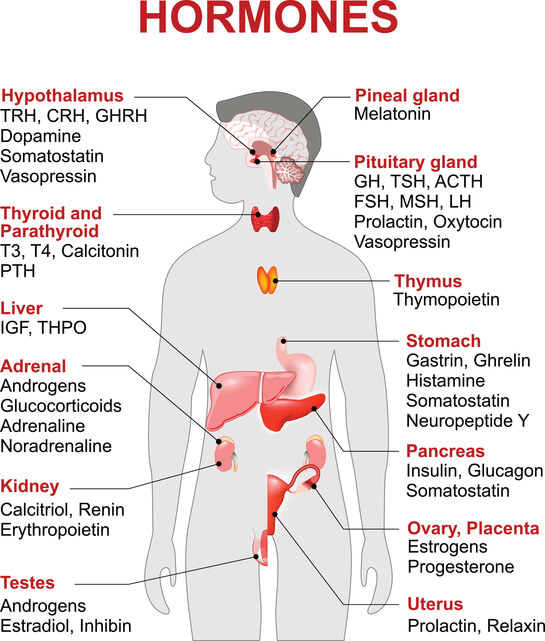
In my never-ending quest to improve my knowledge of health and nutrition, I have recently graduated from the Institute of Integrative Nutrition’s (IIN) program in Hormone Health. During the course of the 6-month program, I learned a great deal about the endocrine system and how hormones work.

I studied the basics of the endocrine system, the pituitary and hypothalamus glands – and how they impact hormone production. I learned about the thyroid, stress hormones and reproductive hormones and how they are correlated.

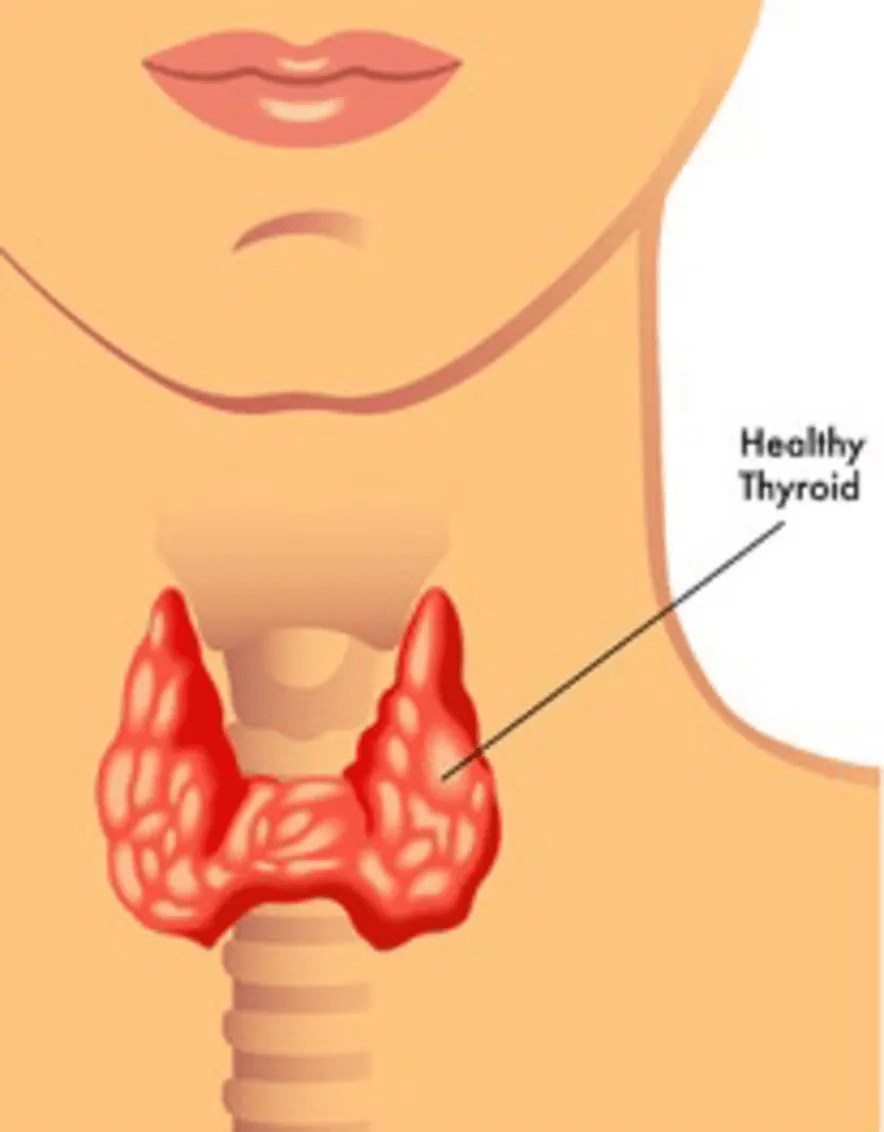
The thyroid section was very interesting as I struggle with hypothyroidism myself and my thyroid was malfunctioning at the time I was taking the course. I found the information I learned in the course extremely beneficial in reclaiming my own health and know that I can help others do the same as a result.

As for reproductive hormones, it’s evident to me that many doctors and specialists do not understand their full impact, especially on women. I hope to help empower people to ask for the right tests and eat the foods that will help them get the best results for hormone health. I also want to teach people about how stress affects them and ways to reduce stress.

For women who struggle with menstrual issues, I have learned some ways for my clients to get a handle on them and to understand what they need to discuss with their doctors. I am not a doctor and do not diagnose medical conditions or prescribe supplements or medication. My suggestions are just that – suggestions. All I do is educate and enlighten. You have to be your own best advocate with your medical professionals. My goal is to give you the information to do just that.

Are you ready to take control of your hormone health? Great! Set up a session with me today. You can do so by contacting me at dcgoodson@gmail.com. I look forward to working with you!

Find Me On WellMeRight

Hey all, I’m so excited to share with you that I’ve recently become a wellness expert on the WellMeRight platform. For those of you who are unaware of WellMeRight, it’s a great resource to find wellness professionals who will meet with you via video. Professionals like me.

I’m offering several nutrition coaching packages including one on Intuitive Eating and Nutrition Basics. I have ongoing sessions as well. I do offer a free discovery call on site. Feel free to book with me there if you’d like.

I would love to work with you in a more targeted manner. Nutrition is something that’s very important to me as a woman who has been obese or overweight for most of her life. It’s personal for me and my journey to wellness is ongoing but I have learned and achieved so much so far. I love helping people figure out how to get to the next steps in their nutrition and fitness journey.

As a graduate of the Institute of Integrative Nutrition, I offer a unique perspective on Health Coaching. I believe in bioindividuality – the concept that what works for one does not work for another. That’s why traditional diet plans don’t often work. They don’t take the individual into account. It’s usually a one-size-fits-all mentality and it leaves people tired, frustrated and oftentimes more overweight than when they started.

It’s a vicious cycle. Let me help you get off of the dieting not-so-merry-go-round. I am a big proponent of intuitive eating and I truly believe that it’s not just about what you eat but also why you eat. There’s a huge emotional component to food and nutrition. If something is not working well in other areas of your life it’ll show up in the food.

We eat our feelings. Well, most of us do. I still have to master not doing that, but I’m on a journey. Let’s take the journey together. I’m here for you.

Visit my profile at: https://www.wellmeright.com/en/deannag. I’d be honored to be a part of your road to wellness.

Anxiety 101

I work a lot with clients who deal with anxiety. Anxiety is a common human condition. In fact, we all experience anxious thoughts and feelings from time to time. It’s normal. However, when the anxiety impacts our day to day functioning or lasts for a prolonged period of time, then it becomes a problem. Many of us struggle with an anxiety disorder at some point in our lives. I personally have Generalized Anxiety Disorder (GAD). I deal with many people who struggled with GAD or Social Anxiety Disorder (SAD).

Anxiety can manifest in different ways for different people. Some people report having panic attacks where their breathing is impacted. They may feel sweaty or clammy and have heart palpitations. In some cases, the individual feels as though they were having a heart attack. Anxiety can impact our sleep and disrupt our lives.

Many people know about the primitive responses to stimuli. These are our flight, fright or freeze responses. They are part of the sympathetic nervous system (SNS) and were very much a help when we were running for our lives from predators like lions. Nowadays, stress is everywhere. It’s on the news, in our jobs and families and pretty much anywhere else you can imagine. Stress is not generally life-threatening, but it is always on a slow burn, or so it seems.

What many of us don’t know is that we have an ancillary nervous system, housed in the vagus nerve of the brain. The vagus nerve is often referred to as the eighth chakra or the seat of the soul. It is where our parasympathetic nervous system (PNS) is housed and it wants us to be calm and at ease. The PNS is our alleviate anxiety, de-stress and digest response. I don’t know what it has to do with digestion. I’ll leave that to better scientific minds than mine to decode.

Basically, most doctors would want to give you a Xanax or a Klonopin to counteract your anxiety, but you may not need it. There are some interventions you can take – some of them in the moment and others daily – that can help you reduce your anxiety in the moment, bringing you from a level of overload back to a problem-solving level.

If you haven’t noticed, when you are overly anxious, your brain short circuits so to speak. You can’t engage your problem-solving part of the brain. It’s just not possible. You’re overactivated and your brain is like a pinball machine that’s all lit up. By doing some of these interventions you can reduce your overload and overwhelm and get back to problem-solving by throwing anxiety off its game.

I like to teach people about three specific techniques to quell their anxious brain.

  1. Laugh every day. Yes, laughter really is the best medicine for our mental health. When we laugh for up to twenty minutes every day. This is not forced laughter. It can be by watching a funny tv show, listening to a comedic podcast or reading a Subreddit of dad jokes. Whatever makes you laugh will work.
  2. Try the half-smile. This is a Dialectical Behavior Therapy (DBT) skill. You take your tongue and press it gently against the roof of your mouth. Hold it there for about 30 seconds to 1 minute. At that point, you should fully smile or laugh. This will allow you to problem-solve. It’s amazing how well this works for some, but not others.
  3. Tap your way to mental health. Emotional Freedom Technique (EFT) is a methodology using specific acupressure points on the hands, face and upper body that helps to reduce anxiety and alleviate stress. I am certified in EFT and can teach you a two-minute routine that you can do every day as many times a day as you need to to build up your parasympathetic nervous system. However, before I teach my clients the full routine, I ask them to test out one special tapping point. This is located below your nose and above your lip. It’s where there’s a big of a dip or divot in the face. If you place your finger, preferably the pointer finger of your dominant hand, on this point and tap for about 30 seconds, you should feel a release of tension in your neck and shoulders. This can help you feel less stress or anxious. If this point works consistently then the larger tapping routine will be helpful for you.

Of course, there are other ways to access the parasympathetic nervous system such as deep or box breathing and using cognitive behavioral therapy (CBT) to alter negative thought patterns such as catastrophizing. These are just a few ways you can intervene for yourself so that you can feel better in moments of high stress or anxiety.

If you’d like to chat with me in greater detail about these methods and others, please reach out to me at dcgoodson@gmail.com. I look forward to working with you.

My Struggle with Sugar

For as long as I can remember, I’ve had a love-hate relationship with sugar. As a little girl, my mother likes to tell the story of when I was two and inadvertently locked her out of the house. I was so distraught and nervous that I ate two whole donuts, which were left on the coffee table in the living room.

As an anxious child, I was often given cookies, cakes and other sweet treats to calm myself down. This began a lifelong struggle with sugar. I learned to equate sugary foods with love but that kind of love hurts. It caused weight gain and a cycle of addiction that I still deal with – every day.

As a teenager, I broke my ankle right before going into high school. I was in crutches and a cast for six months. The activities that I used to do to keep my weight somewhat in check were impossible. I couldn’t go to dancing school or play outside with my friends. I loved sports from street hocket to football to tennis and baseball. I was not a good runner, but I did try.

Without the physical activtiy and the inability to push myself away from food that was given to me by my parents who felt guilty that they didn’t believe I had broken my ankle right away. I ate and gained about 60 pounds on my already heavier frame. I became the fat freshman and stood out for all the wrong reasons. I remember sitting alone at lunch and being picked on by football players because I was fat. Very fat.

I felt insecure and unsure of myself so I turned to food as I didn’t have any other coping mechanisms at the time. I got picked on at school and picked on at home. The breaking point came when two boys I didn’t know singled me out at the park because I was too fat to be playing baseball with my best friend. That afternoon, I went back home and stuck my finger down my throat for the first time. My grandmother had suggested I try bulimia as a weight loss aid a few months before, but I didn’t want to – until that day.

This led to a cycle of bingeing and purging that would last throughout my adolescence and for most of my adult life. At one point, I had eaten my way up to 444 lbs. I was miserable – and devastated. However, the bad feelings I had about myself only seemed to go away when I numbed myself with sugar. Over time, I learned that you needed more and more sugar to get the same fix. I once ate a whole sheetcake from Costco. I’m not proud of it, but I did that.

Entire boxes of cookies and trays of brownies would disappear in my ever-growing gullet. I went to a nutritionist. I had bariatric surgery – twice – and still struggle with weight management. I also have a dysfunctional thyroid and a day-to-day battle to steer clear of sugar or at least reduce it significantly. There is so much sugar everywhere. I didn’t realize how it hidden in many foods. I’ve learned to read labels and learned to avoid sugar in all its forms.

Some days I’m more effective at this than others. I’d love to tell you that I’ve completely kicked my sugar addiction, but I haven’t. I can use my experiences to help you work through your issues with sugar and with healthy eating. I have walkekd the walk and I have struggled. I still struggle so I get it. I understand.

I’d love to invite you to set up a 60 minute free consultation with me to see what kind of work we can do together. I offer nutritional coaching, mental health coaching and more. Please feel free to contact me at dcgoodson@gmail.com for more information.

The Thyroid – What it is and What it Does

I’m currently working on my certificate in hormone health through the Institute of Integrative Nutrition where I received extensive nutrition training in 2020-2021. As a health and wellness coach, I wanted to learn more about hormones because they are poorly understood by traditional medicine. I know I am NOT a medical professional and any and all information provided here is for your information only. If you suspect you have a thryoid issue, I highly recommend that you work with a doctor to get a full thyroid panel. At the minimum it should include your Thyroid Stimulating Hormone (TSH), triiodothyronine (T3) and thyroxine (T4).

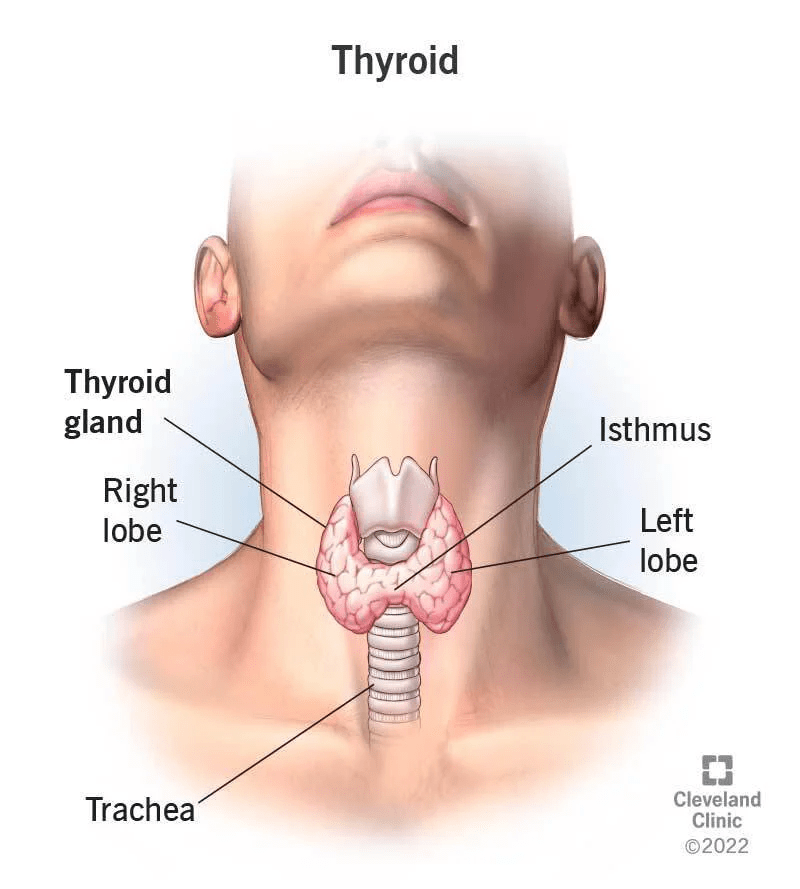
The pituitary gland (which is the power house of the endocrine system) secretes Thyroid Stimulating Hormone, aka TSH. TSH stimulates the thyroid gland to secrete hormones such as T3 & T4 that affect metabolism. In a nutshell, the metabolism is vital to chemical changes that take place in a cell. These changes make energy and the materials our cells need to grow, reproduce, and stay healthy.

Triiodothyronine, which is more commonly referred to as T3, is produced by the thyroid gland and other tissues through a process known as deiodination. This allows the hormone to be enzymatically converted to T4 in the body. T3 is important on its own as well as it helps the body maintain muscle control, brain function and development as well as digestive and heart functions. T3 also plays a significant role in the body’s metabolic rate and maintenance of bone health.

Thyroxine (T4) is produced by the thyroid gland under regulation from the hypothalamus and the pituitary gland, setting up the HPT axis (Hypothalamus-Pituitary-Thyroid). The feedback loop signals to the hypothalamus in to release thyrotropin-releasing hormone, which then stimulates the pituitary gland to release the thyroid stimulating hormone. It really is a powerhouse.

Problems related to T3 and T4 can be rather significant and affect nearly aspect of our metabolism. When the thyroid is out of whack, the body doesn’t function properly. For example, if you have too much T3 in the bloodstream, you are struggling with thyrotoxicosis. This condition often results from overactivity in the thyroid gland, which is also referred to as hyperthyroidism. Hyperthyroidism occurs in conditions such as Graves’ disease, inflammation of the thyroid or a benign tumor. Signs of thyrotoxicosis include weight loss, increased appetite, palpitations, irregular menstrual cycle, tiredness, irritability, and hair thinning. Hyperthyroidism can also occur when supplements with T3 are ingested.

Conversely, hypothyroidism occurs if the thyroid gland does not produce enough of the thyroid hormone. This may be due to autoimmune conditions, such as Hashimoto’s thyroiditis, an autoimmune condition which essentially has the the body treat thyroid hormones as invaders. Certain medications can also cause hypothyroidism such as lithium and glucocortocoids and any medication containing iodine. Hypothyroidism can also occur in pituitary dysfunction, such as pituitary tumors or inflammation.

While hypothyroidism is more common than hyperthyroidism, both conditions require the assistance of a medical professional, preferably a functional medicine practitioner. You can check your local listings to find functional medicine doctors in your area. They can be expensive and most don’t take insurance, but they may be the best defense you have in combatting thyroid dysfunction.

To assess the state of thyroid function, experts recomment that you ask for a complete Thryoid Panel (it’s a simple blood test) and it includes thyroid-stimulating hormone (TSH), T3 (free and total), T4 (free and total), reverse T3, and thyroid peroxidase (TPO) and anti-thyroglobulin (TG) and antibodies. I recommend a functional medicine practitioner in part because most general practitioners only test TSH, total T3 and total T4.

Remember this article is not to be interpretated as medical advice nor is it a substitute for medical treatment. Thyroid dysfunction is a serious condition and should be monitored by a medical professional.

More on My Thyroid, My “Glorious” Thyroid

If you’ve been reading my blog, you know I’ve been struggling with my thyroid for quite a while. I changed doctors and got put on synthetic Amour Thyroid that produces both T3 and T4. I have an appointment to monitor my thyroid on Thursday with my third doctor in as many months. It’s not that the previous doctor was not to my liking – she just didn’t take my insurance and functional medicine can be expensive.

Last Friday, I had a massive thyroid attack. I refer to it as a ‘thyroid storm’. I was cold and hot at the same time. I had a horrible headache. I felt microwaved and frozen. It was scary. I also felt extremely emotionally dysregulated. My poor husband didn’t know what to do.

Neither did I.

I must admit that I was disturbed that my thyroid was still a problem. I mistakenly thought that the Amour would be enough. Unfortunately, what I learned – and am trying to practice – is that my diet was lacking essential nutrients. Yes, me a health and wellness coach with a certificate in Nutrition from the Institute of Integrative Nutrition (IIN) as well as an advanced certificate in Hormone Health, which I am still in the midst of taking.

I should know better. I wasn’t eating enough fruits and vegetables. I decided then and there to rectify that. Sure, I’d cut out artificial sweeteners and gluten as well as reduced sugar significantly, but I needed to go further. My eating plan was not supporting my thyroid function. Without my thyroid function, I could not function.

The thyroid controls all aspects of metabolism. In order for it to function optimally, we need our Thyroid Stimulating Hormone (TSH), T3 and T4 levels to be in a normal range. Different doctors define this ‘normal range’ differently. My previous primary care doctor felt it was normal if it was between 0.5 – 4.0. Usually, my thyroid would fall on the lower end, which may not have been the optimal level for me to function at my best.

However, this was not something my primary care doctor was willing to consider or entertain. Secondary hypothyroidism, which happens to many women and some men, occurs when your thyroid is not at an ideal level for you. It could appear ‘normal’, but it’s not your normal.

Regardless, I don’t actually know where my thyroid hormones stand at this time. I will be seeing my functional medicine nurse practitioner on Thursday and have my thyroid hormones and antibodies tested. I could have Hashimoto’s Thyroiditis which is an autoimmune condition in which the thyroid hormone is treated as a foreign invader and the body ‘attacks’ it.

Yes, my own body could be working against my thyroid and it needs my thyroid to function. I don’t know what will happen yet, but I really hope that my thyroid function improves and that I get on the right dosage of Amour Thyroid so that I can begin to feel better again.

Want to love your hormones or let them love you? Reach out to me at dcgoodson@gmail.com. I offer a free, 60 minute chemistry session to see how we could work together.